
Historic Miami Beach: Art Deco & Timeless Architecture

Introduction to Historic Miami Beach: Where History Meets Coastal Glamour
Miami Beach is a city that perfectly balances vibrant modern life with a rich historical legacy. Known worldwide for its pristine beaches and lively nightlife, the city’s historic core offers a completely different but equally mesmerizing experience. The pastel-colored Art Deco buildings, historic hotels, and classic theaters transport visitors back to the early 20th century, a time when Miami Beach became a hub for artists, socialites, and visionaries. Each street tells a story, from the booming 1920s to the cultural transformations of the post-war era. Strolling through the city, visitors experience not only architectural marvels but also the essence of a community that has nurtured creativity, entertainment, and tourism for decades. Miami Beach’s charm lies in its ability to preserve the past while offering a dynamic present. Whether you are an architecture enthusiast, history buff, or a casual traveler seeking photogenic experiences, the city invites you on a journey through time, showcasing its timeless coastal glamour.
The Art Deco District: Miami Beach’s Architectural Heartbeat
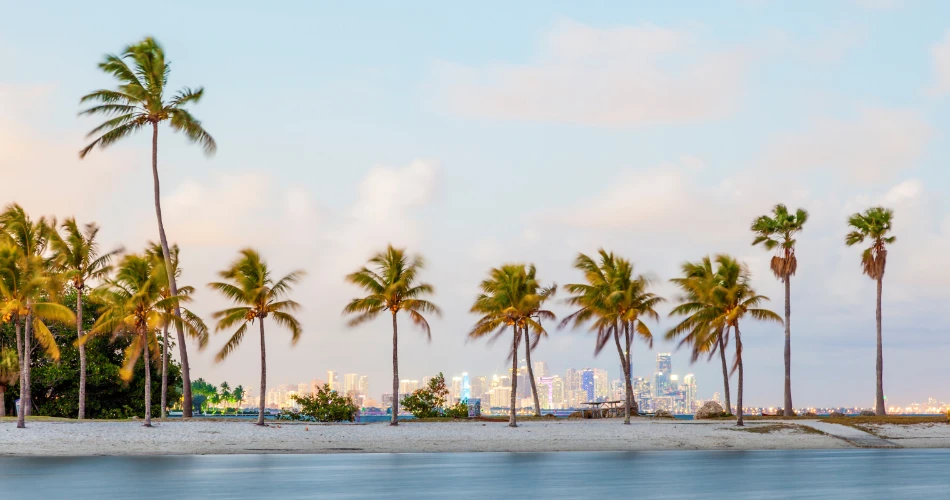
The Art Deco Historic District is undoubtedly the crown jewel of Miami Beach’s architectural identity. Spanning several blocks, this area contains more than 800 preserved buildings, each showcasing unique geometric designs, neon accents, and pastel facades. Walking through the district is like stepping into a vibrant history book, where the details of every corner reflect the optimism and creativity of the 1920s and 1930s. Notable features include glass blocks, porthole windows, and curved building edges that evoke a sense of sophistication and style. The district’s hotels, cafes, and residences have maintained their original charm while integrating modern amenities, making them both functional and aesthetically pleasing. Art Deco enthusiasts often note the seamless blend of form and function in these designs, illustrating how Miami Beach became a global benchmark for architectural elegance. The area also hosts cultural festivals, guided tours, and photography workshops, ensuring that visitors can engage with the district’s history actively rather than just observing it. For anyone visiting Miami Beach, exploring the Art Deco District is not only visually stunning but also an enlightening experience that connects past and present.
Ocean Drive: The Iconic Street That Defines Miami Beach
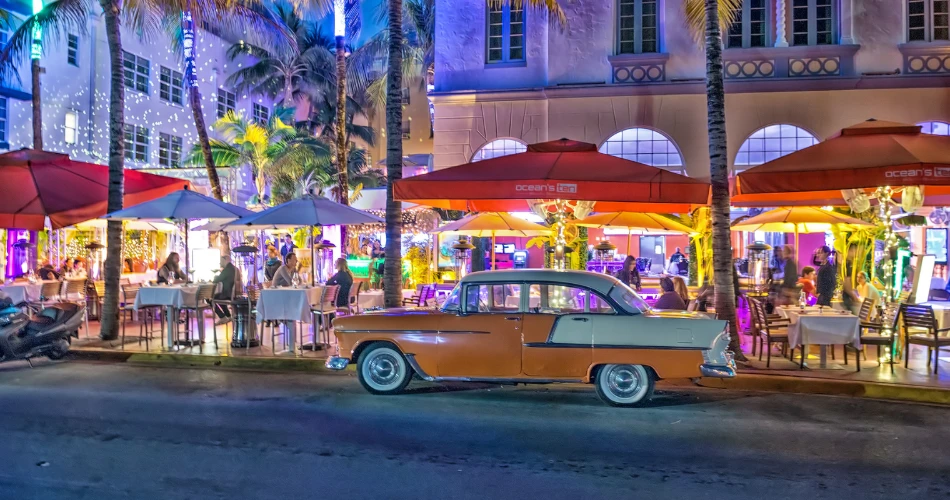
Ocean Drive is more than just a street—it’s a symbol of Miami Beach’s identity. Famous for its Art Deco hotels, neon signs, and lively cafes, Ocean Drive has been a cultural and social hub for nearly a century. The street offers a unique opportunity to witness the city’s history unfold in real-time, from its glamorous hotel lobbies to the bustling sidewalk scenes. Visitors can stroll along the palm-lined avenue, observing the intricate architectural details of historic buildings, or relax in outdoor cafes while soaking in the energetic atmosphere. The area has also served as a backdrop for numerous films, television shows, and fashion shoots, cementing its status as an iconic cultural landmark. Ocean Drive’s blend of history, style, and entertainment reflects the city’s dual nature: timeless elegance paired with contemporary vibrancy. Walking the avenue, one can appreciate how Miami Beach preserves its historic roots while evolving as a global destination for art, culture, and leisure. A visit here is both a visual treat and a deep dive into the essence of Miami Beach’s historic charm.
Collins Avenue: A Walk Through Miami Beach’s Glamorous Past
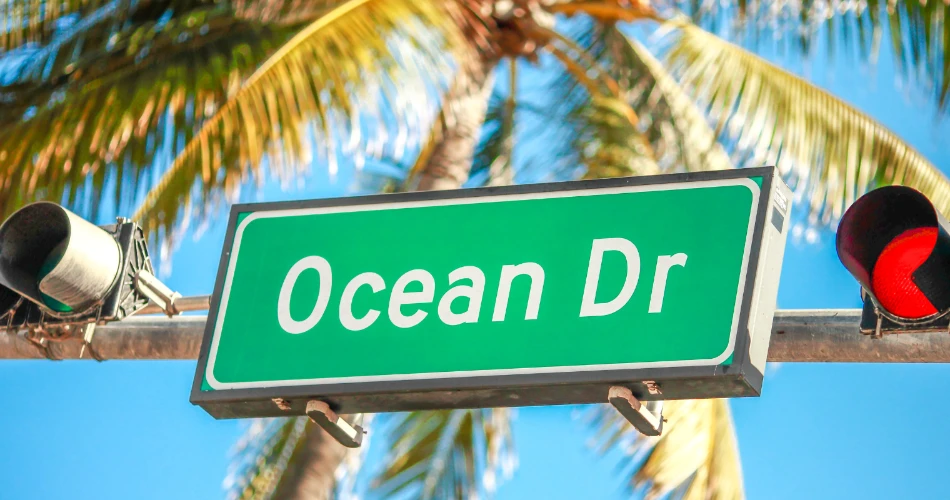
Collins Avenue runs parallel to the beach and serves as another key landmark in historic Miami Beach. Unlike Ocean Drive, Collins Avenue combines residential charm with iconic historic hotels and boutique shops. This street offers visitors a glimpse into the opulent lifestyle that defined Miami Beach during the early 20th century. Architectural styles here range from Art Deco to Mediterranean Revival and Modernist structures, all meticulously maintained to retain their original allure. The avenue is dotted with terraces, intricate facades, and ornamental detailing that highlight the city’s dedication to architectural preservation. Visitors can enjoy leisurely walks, capture stunning photographs, and explore boutique stores while experiencing a sense of nostalgia for Miami Beach’s glamorous past. Collins Avenue also hosts cultural events and seasonal festivals, further enhancing its appeal as both a historical and lively destination. For travelers, a stroll along Collins Avenue is an immersive journey through a neighborhood that embodies elegance, style, and history.

The Story Behind Miami Beach’s Timeless Hotels
Miami Beach’s historic hotels are not just places to stay—they are landmarks of history, culture, and architectural brilliance. Iconic establishments like the Fontainebleau, Colony, and The Raleigh have welcomed celebrities, artists, and dignitaries for decades, making them living testaments to the city’s glamour. These hotels often feature striking Art Deco design elements such as porthole windows, curved staircases, and intricate façades, blending luxury with historic elegance. Restoration efforts have ensured that while interiors are modern and luxurious, the exterior maintains its historical integrity. Staying or visiting these hotels allows travelers to experience a living museum of design and culture. Each property tells a story of its era, reflecting the economic and social history of Miami Beach while contributing to its ongoing reputation as a world-class destination. For history enthusiasts and luxury travelers alike, exploring these hotels is both educational and inspiring.

Preserving History: Miami Beach’s Commitment to Architectural Heritage
Miami Beach’s historic charm is the result of thoughtful preservation and a strong commitment to cultural heritage. Local authorities and preservation societies enforce guidelines to protect the integrity of the Art Deco District and other historic neighborhoods. Renovations are strictly regulated to ensure that modern updates do not compromise original designs. Preservation efforts include guided walking tours, educational programs, and public events that celebrate the city’s architecture and history. This dedication allows visitors to experience Miami Beach as it was decades ago, with pastel facades, decorative signage, and classic street layouts intact. Preservation also encourages sustainable tourism, where history and modernity coexist harmoniously. By valuing and protecting its architectural heritage, Miami Beach ensures that future generations can appreciate its unique aesthetic, cultural depth, and historical significance.
Exploring Beyond Architecture: Cultural Landmarks and Attractions
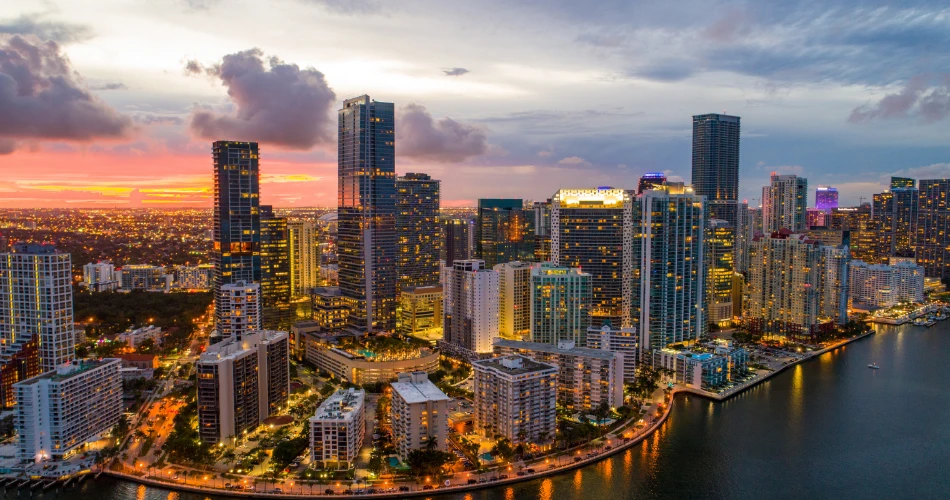
While historic architecture defines Miami Beach, its cultural landmarks add depth and richness to the experience. The Wolfsonian Museum showcases modernist art, design, and propaganda from the 19th and 20th centuries, reflecting the city’s artistic evolution. The Miami Beach Botanical Garden provides a serene escape, highlighting native flora alongside historical landscaping techniques. Historic theaters, music venues, and cultural centers complement the architectural journey, offering performances and exhibits that enhance the sense of place. Exploring these attractions provides visitors with a holistic view of Miami Beach’s history, showing how art, culture, and architecture intertwine. These sites also serve as educational hubs, allowing travelers to connect with the city’s past while enjoying contemporary experiences. For those seeking a deeper understanding of Miami Beach, exploring its cultural landmarks is an essential part of the journey.
Sunset and Scenic Views: Experiencing Historic Miami Beach by the Shore
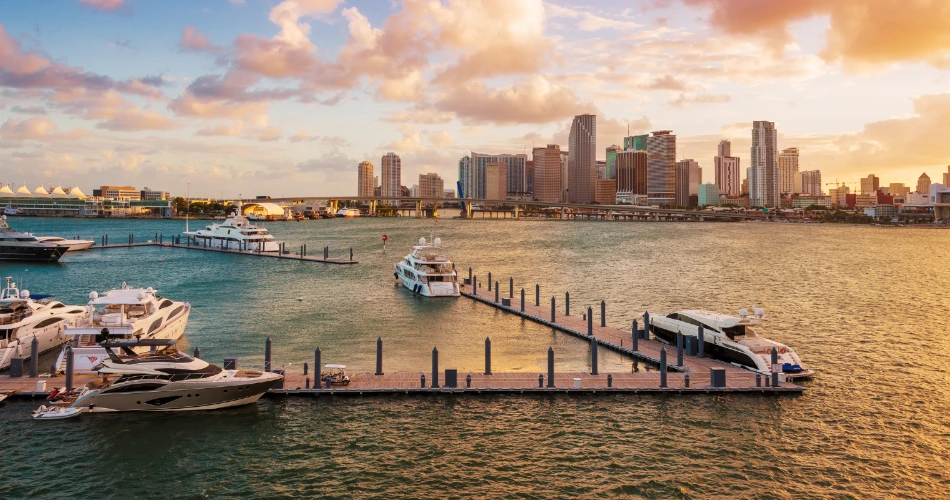
Miami Beach’s historical charm is best enjoyed alongside its natural beauty. Sunset walks along the coastline reveal the stunning juxtaposition of pastel-colored Art Deco buildings against the golden hues of the Atlantic Ocean. The soft evening light accentuates architectural details, from intricate facades to curved balconies, creating breathtaking photo opportunities. Whether strolling along promenades, relaxing on benches, or enjoying beachside cafes, visitors can appreciate how the city’s design and natural environment complement one another. For photographers, the combination of historic buildings, palm trees, and reflective water offers endless creative possibilities. These scenic experiences connect travelers to the soul of Miami Beach, making history, architecture, and nature an inseparable part of the city’s identity.
Conclusion: Embracing the Past While Enjoying the Present
Historic Miami Beach is a unique fusion of architectural elegance, cultural richness, and natural beauty. From the iconic Art Deco District to Ocean Drive’s lively streets and the elegance of historic hotels, the city invites visitors to explore its past while enjoying modern amenities. Its commitment to preservation ensures that every building, street, and landmark tells a story, providing an immersive journey through history. By combining vibrant nightlife, cultural attractions, and seaside charm, Miami Beach maintains its status as both a historical treasure and a contemporary destination. Visitors leave with a sense of nostalgia, inspiration, and appreciation for a city that celebrates its heritage while embracing the future. For anyone traveling to Florida, historic Miami Beach offers an unforgettable experience that captures the essence of coastal luxury, timeless architecture, and artistic brilliance.

About Author
Sarah produces creative and informative content based on her travel experience. She keeps her blogs up-to-date with the latest information.